
Regenerative injections for joint, tendon, ligament and spine pain — knees, shoulders, hips and back — offering a non-surgical route for sports injuries and chronic wear.
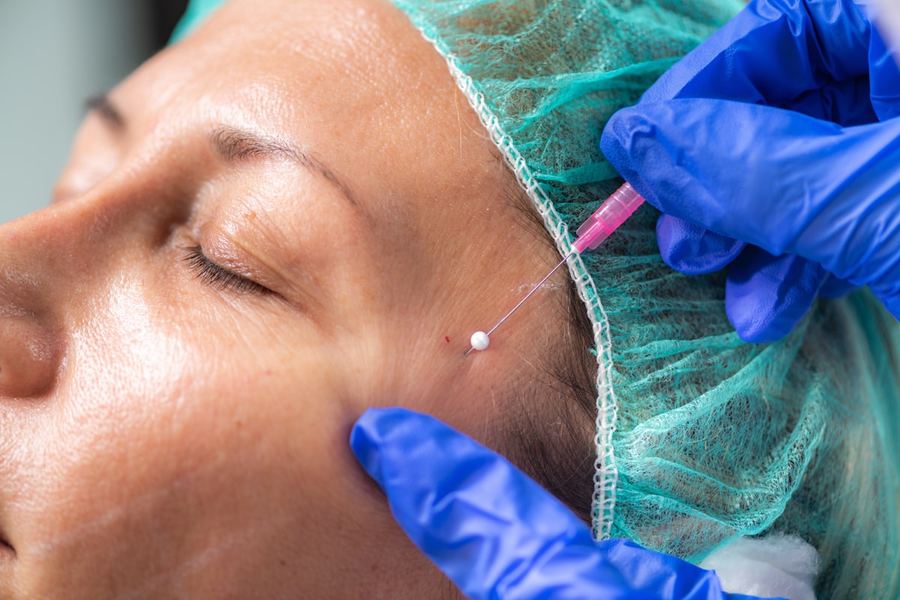
Platelet-rich plasma and related regenerative treatments for facial rejuvenation, acne scarring, melasma and skin texture — collagen stimulation without synthetic fillers.

PRP and regenerative therapy for thinning hair and pattern baldness — stimulating dormant follicles as a non-surgical alternative to transplant surgery.
Regenerative treatments in gynecology and urology — including sexual wellness and pelvic health concerns patients often struggle to find a qualified provider for.
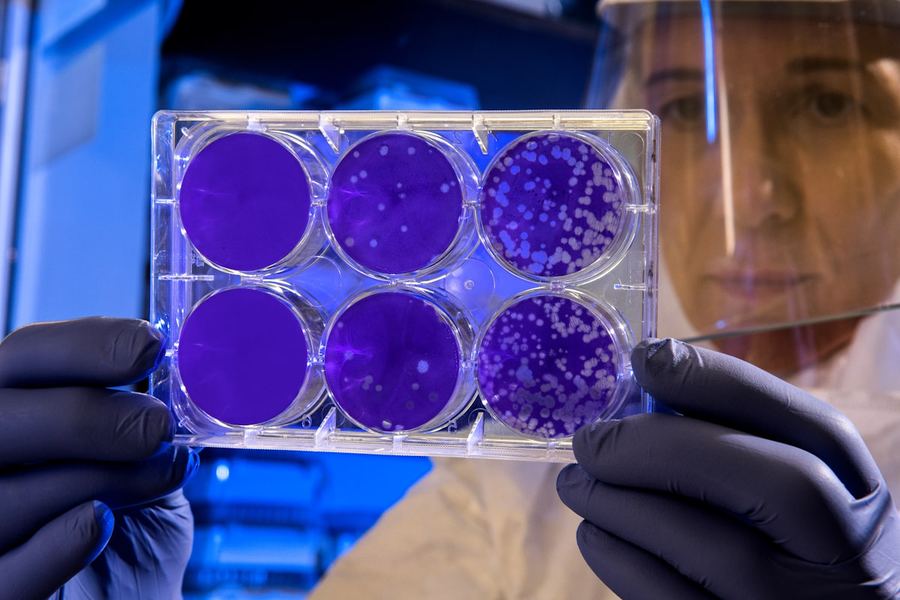
Stem cell therapy uses regenerative cells to repair damaged tissue and reduce inflammation, offering a non-surgical option for chronic joint pain and degenerative conditions.
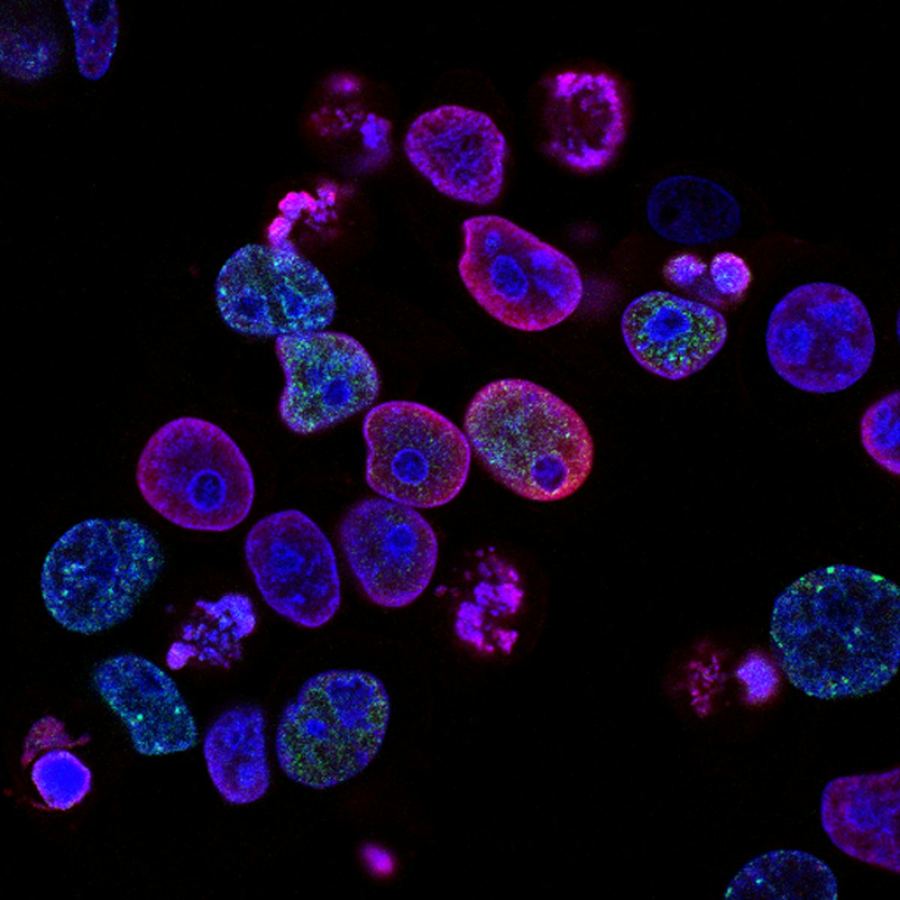
Exosome therapy delivers cell-signaling molecules that accelerate tissue repair and regeneration, often paired with PRP for enhanced hair, skin, and joint recovery.
Find a verified provider in your state
54 providers across 7 states, 30 CMS NPI-verified. Pick a state to see its cities, or browse every city we cover.
Guides
Plain-English answers, written from published sources and cited. See all guides.



What is PRP & regenerative medicine?
Platelet-rich plasma (PRP) and regenerative medicine use concentrated components from your own blood or cells — platelets, growth factors, and in some protocols stem cells or exosomes — to support the body's natural healing and tissue-repair processes. Because the material comes from the patient, these treatments are generally non-surgical and carry a different risk profile than synthetic fillers, steroid injections, or invasive surgery.
Patients pursue PRP and regenerative therapies for a range of goals: restoring hair density, easing chronic joint and tendon pain, rejuvenating skin, or supporting recovery from sports injuries. Results and suitability vary by individual and condition, which is why choosing a provider with verifiable medical credentials — not just marketing claims — matters.
- Is PRP therapy FDA-approved?
- PRP itself is a technique using a patient's own blood, not a drug — the FDA regulates the devices used to prepare it, but individual PRP treatments aren't separately FDA-approved for specific conditions. Ask your provider what evidence supports its use for your specific concern.
- How is PRP different from stem cell therapy?
- PRP concentrates platelets and growth factors already in your blood, while stem cell therapy introduces regenerative cells intended to repair or replace damaged tissue. Some clinics offer both, sometimes combined.
- How do I know if a provider is legitimate?
- Check that the treating physician has a real, active NPI on file with the CMS National Plan & Provider Enumeration System (NPPES) — the same registry PRP Atlas cross-checks every listed provider against — along with a valid state medical license.